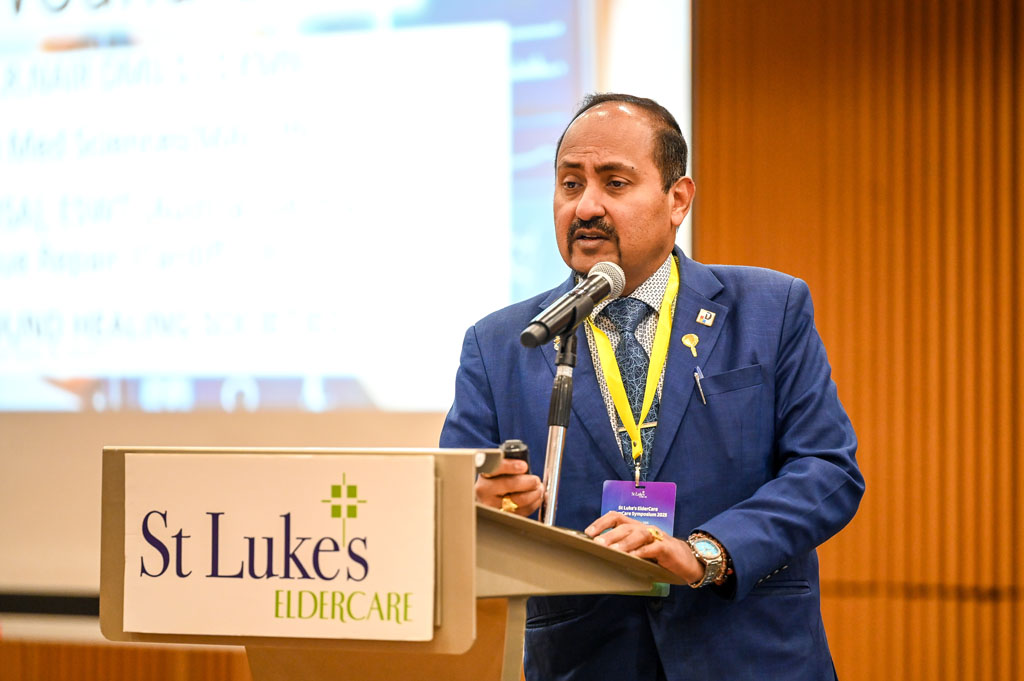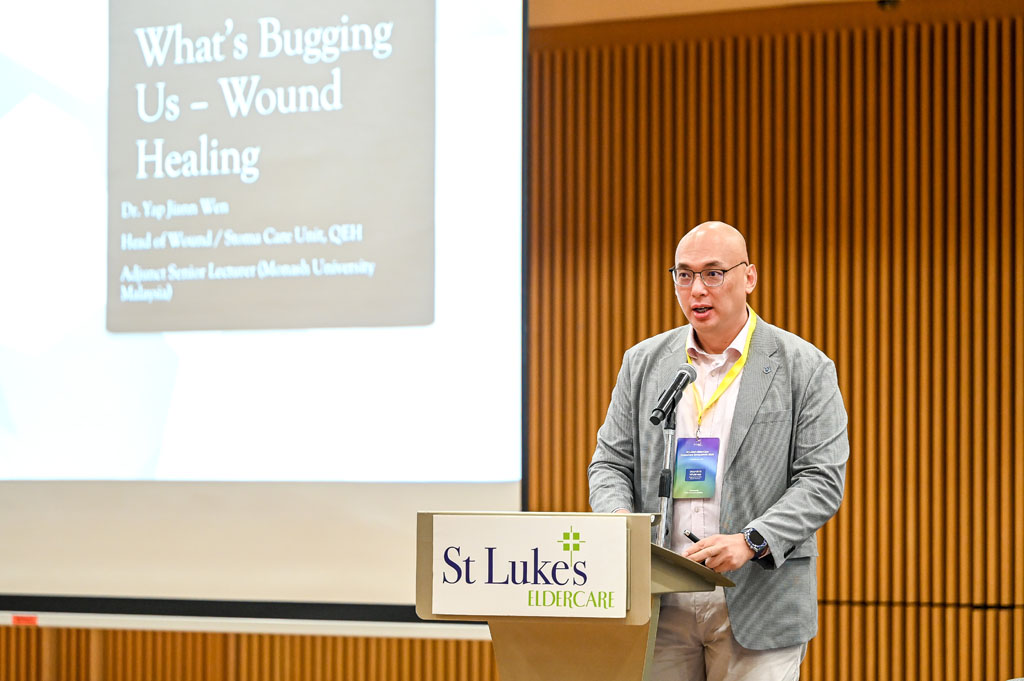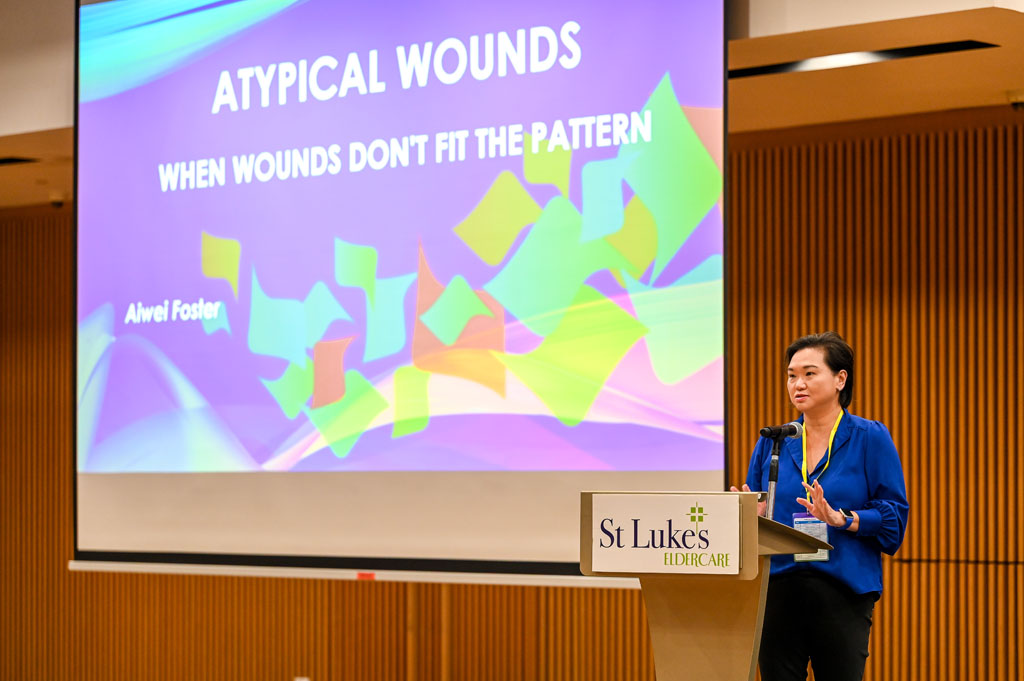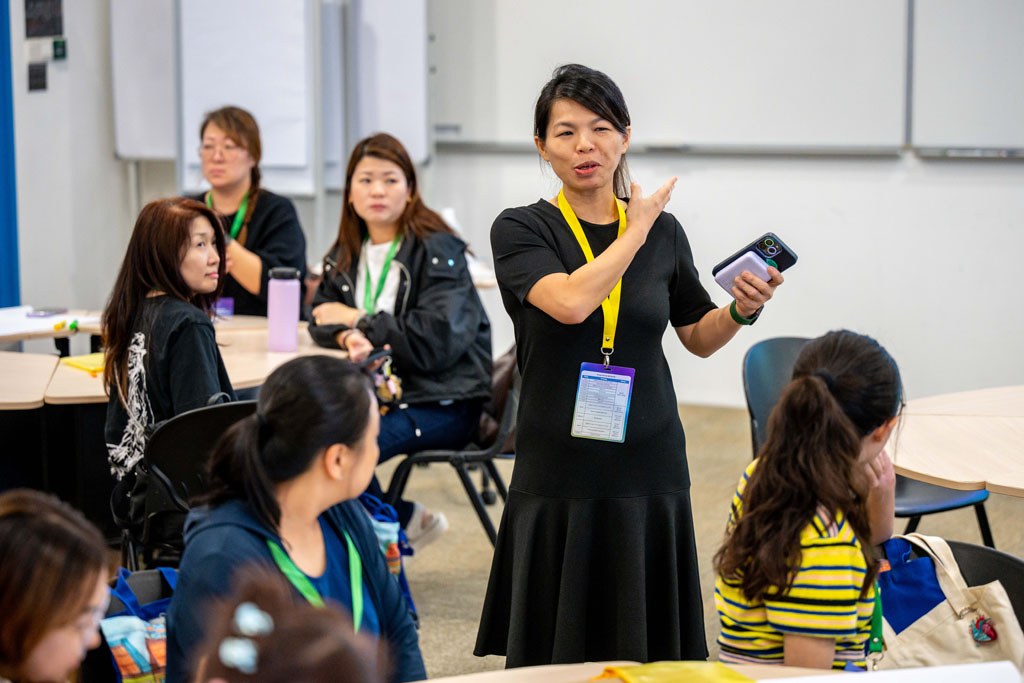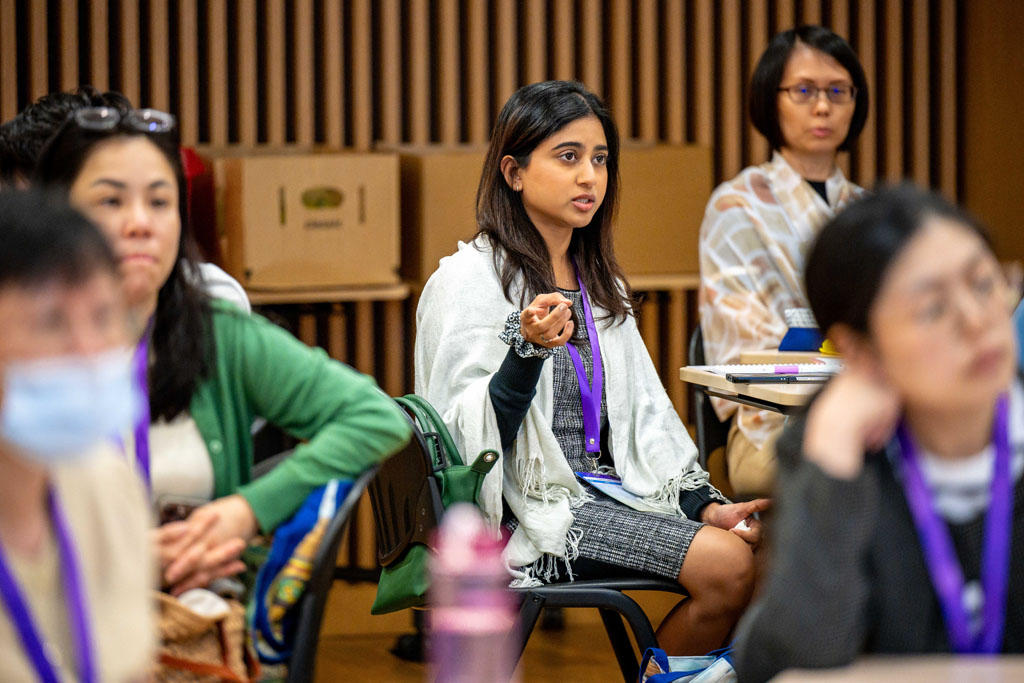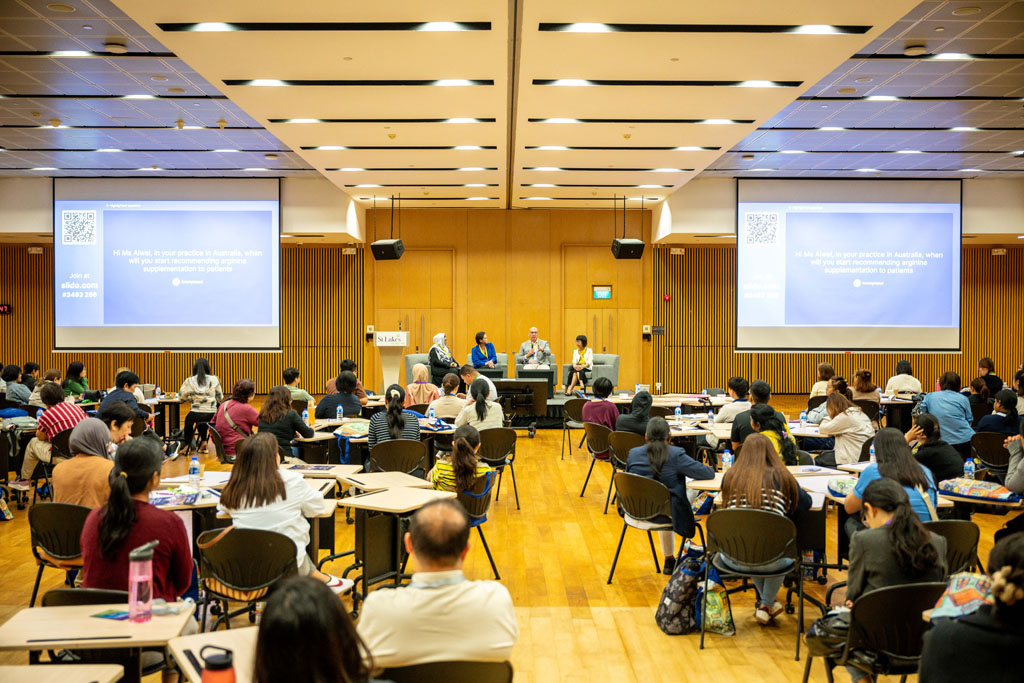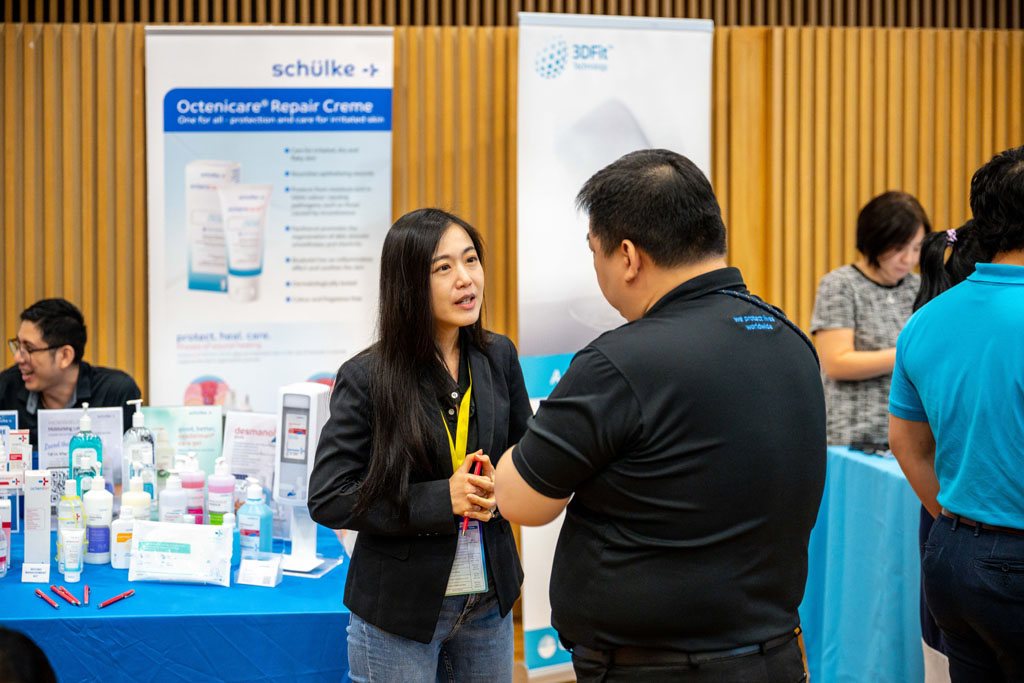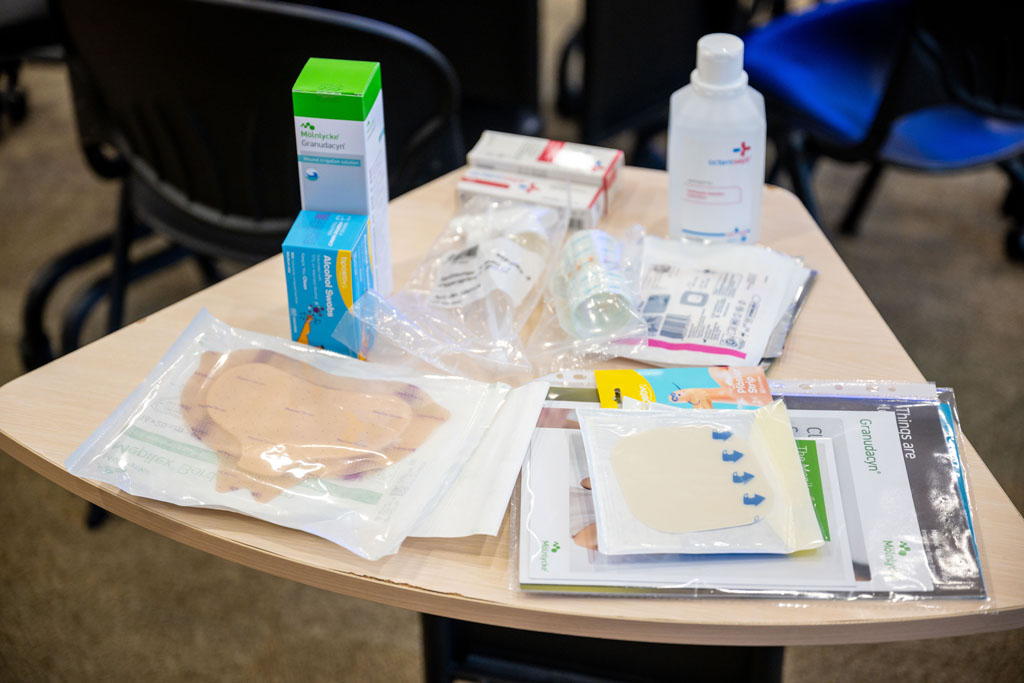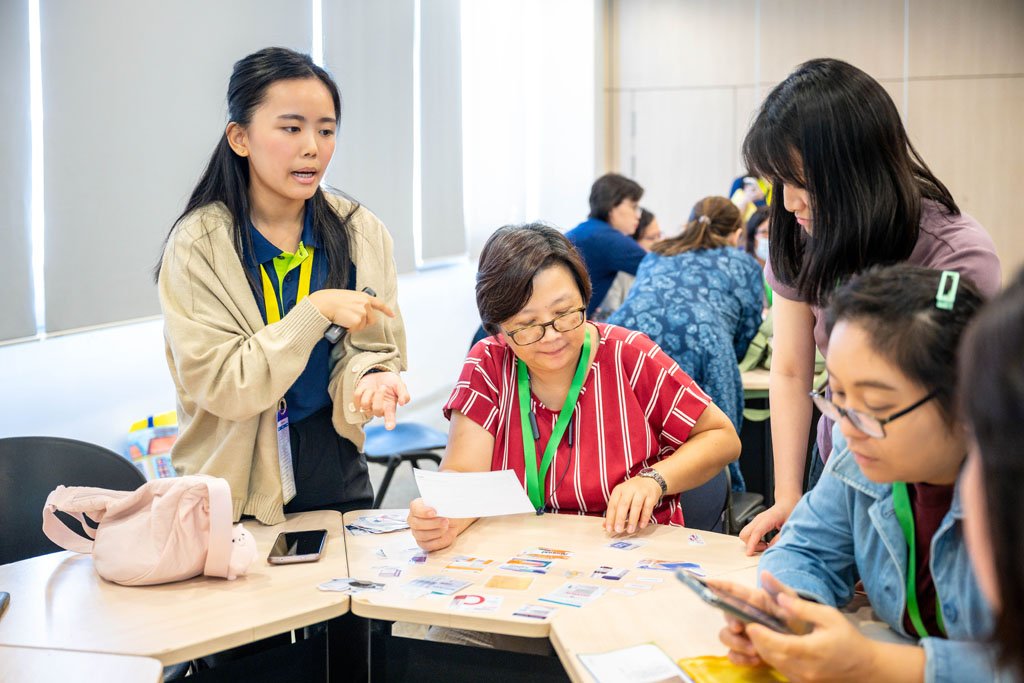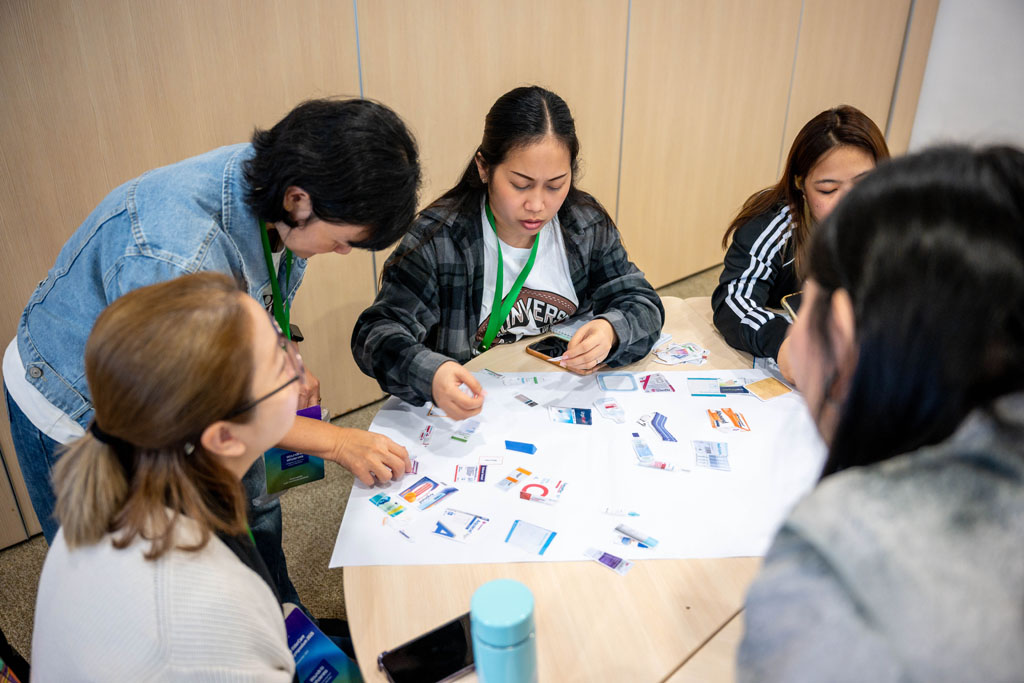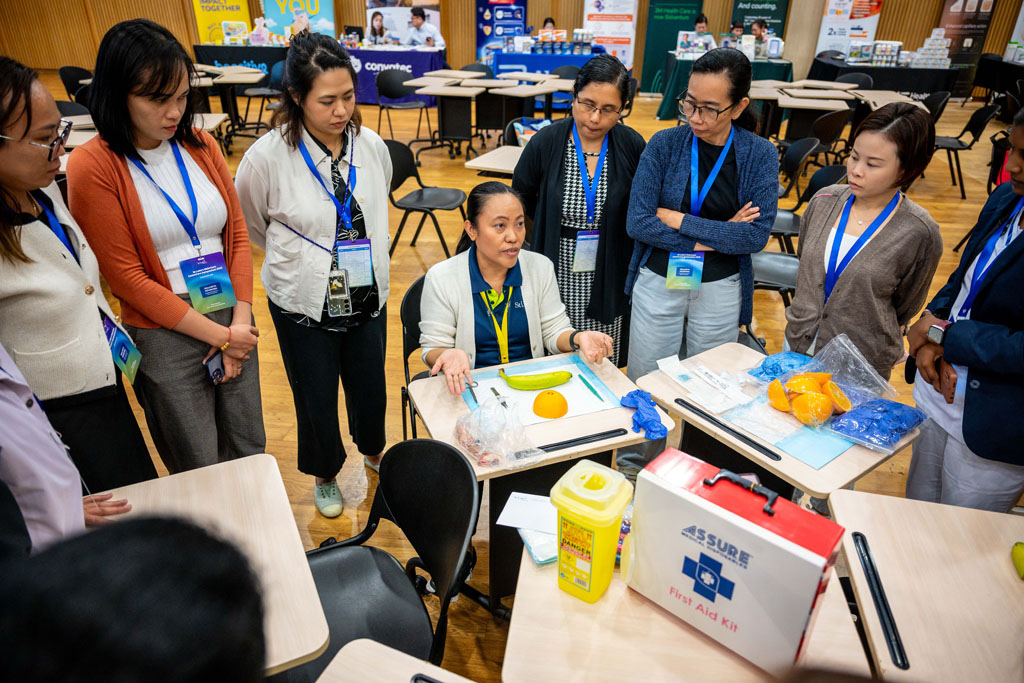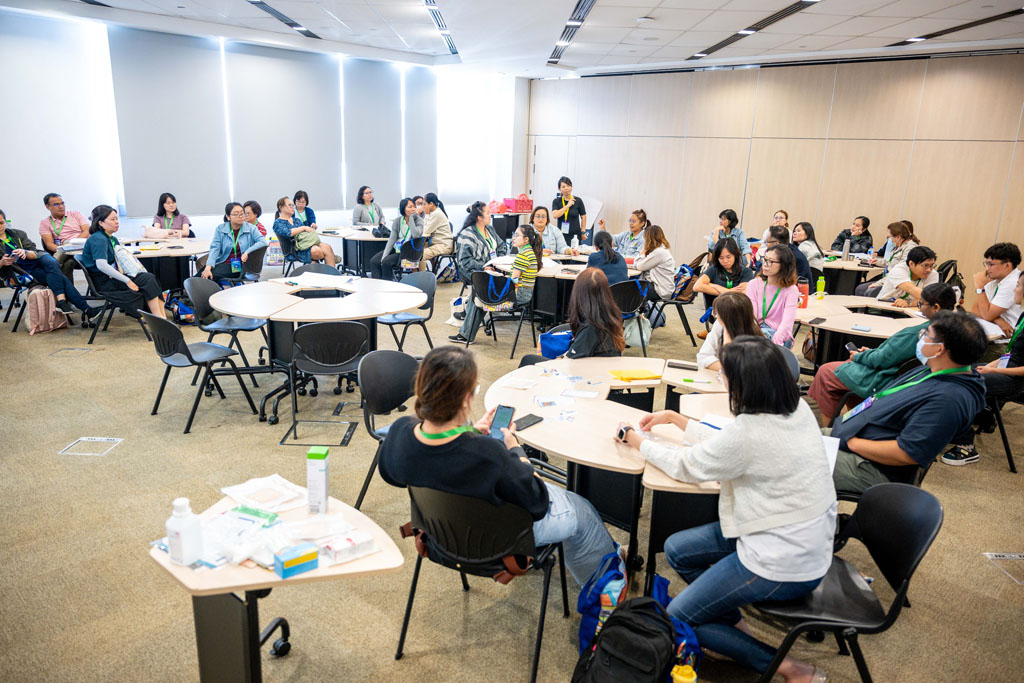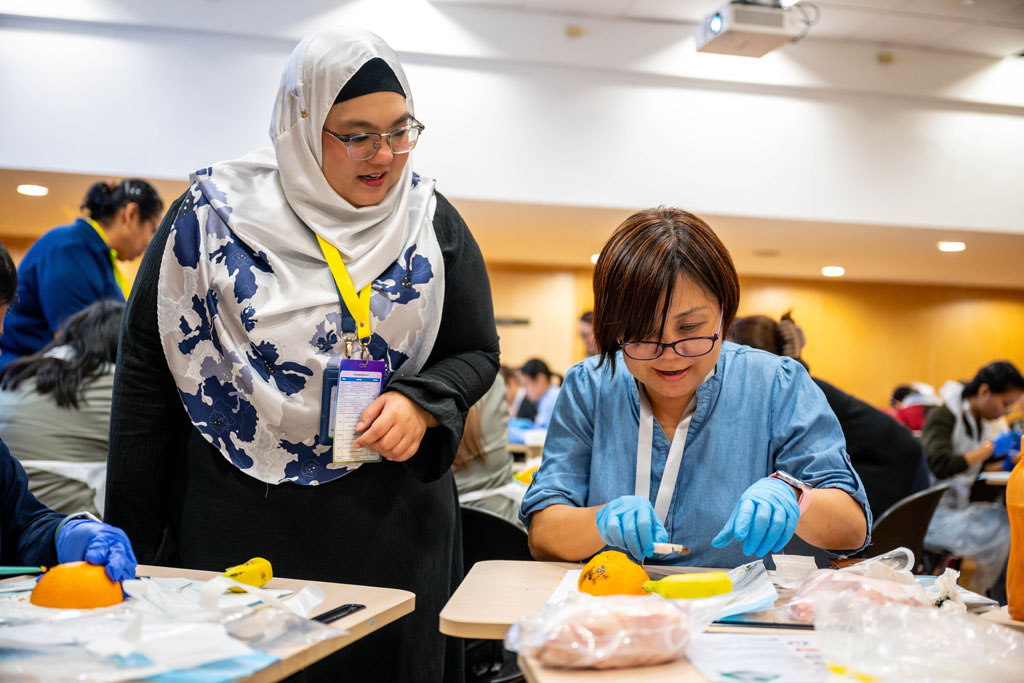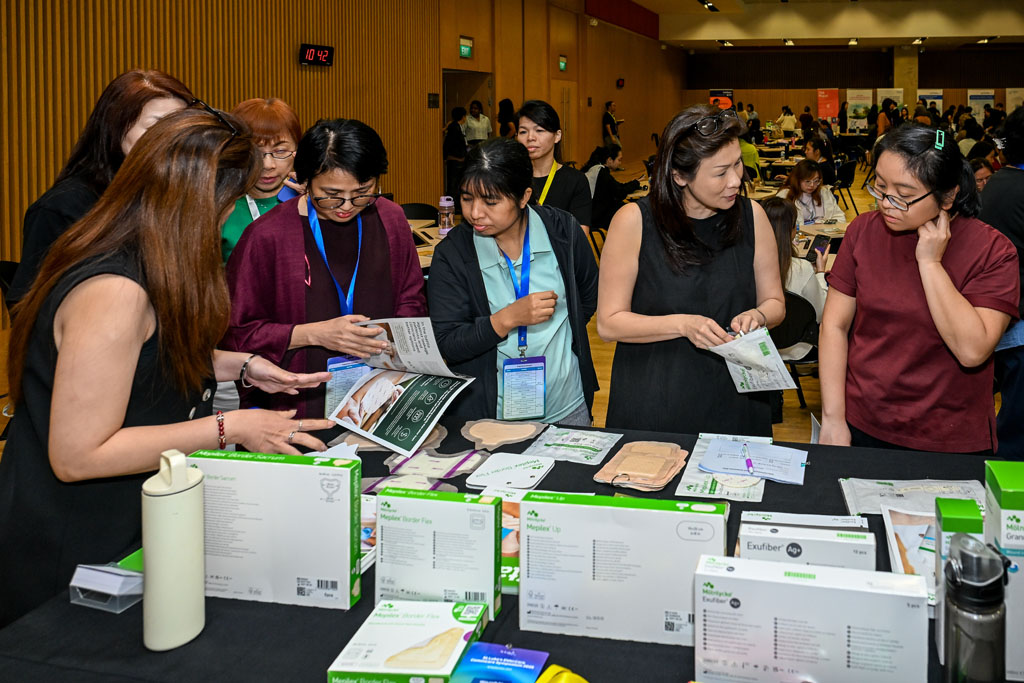

These case-based plenary sessions explore complex wound presentations where healing and management did not progress as expected, prompting critical reflection on clinical practice. Through real-world cases in pyoderma gangrenosum, lymphoedema, atypical wounds, and calciphylaxis, speakers will examine key decision points, management challenges, and lessons learnt, including how these experiences have refined and influenced current approaches to complex wound care.
Professor Keryln Carville, Ms Jocelyn Low, Ms Hafidah Binte Saipollah
Ms Aiwei Foster, Ms Jolene Tai, Ms Fayth Yee
Ms Aiwei Foster, Ms Jolene Tai, Ms Fatyh Yee
Professor Keryln Carville, Ms Jocelyn Low, Ms Hafidah Binte Saipollah

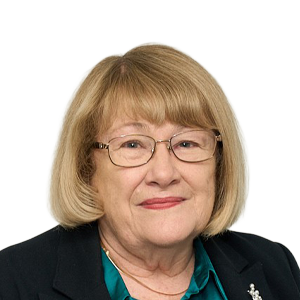
Professor
Primary Health Care and Community Nursing
Curtin University and Silver Chain Group Western Australia

Consultant
Director, Plastic, Reconstructive and Aesthetic Surgery Service
Director, Lymphoedema Service
Changi General Hospital

Wound Nurse Practitioner
Clinical Nurse Consultant
The Royal Melbourne Hospital
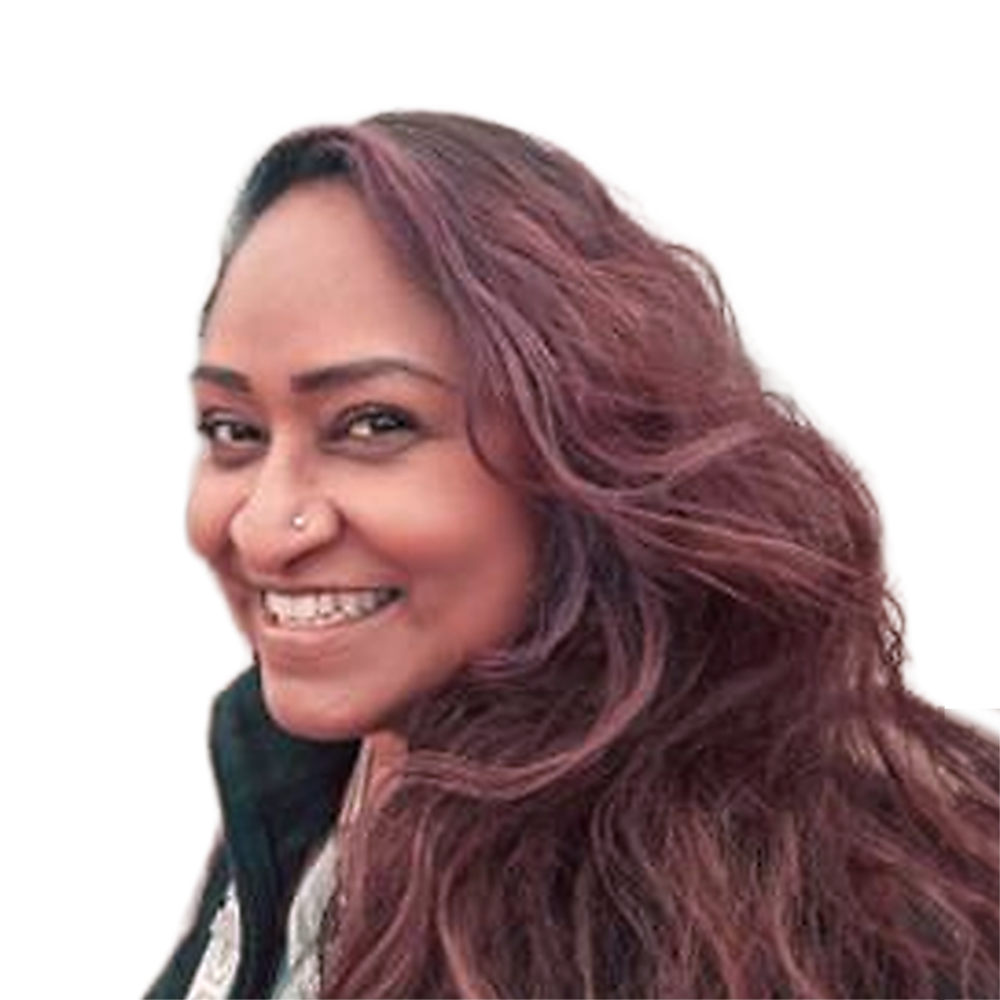
Advanced Practice Nurse (Nursing)
Sengkang General Hospital

Specialty Care Nurse (Wound & Ostomy)
Nurse Clinician
Ng Teng Fong General Hospital

Nurse Clinician (Wound Care)
St Luke’s ElderCare Ltd

Senior Podiatrist
Ng Teng Fong General Hospital

Staff Nurse
St Luke’s ElderCare Ltd
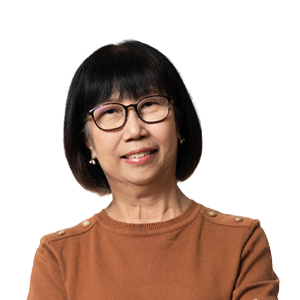
Senior Consultant (Wound Care)
St Luke’s ElderCare Ltd










For more information, please contact us at:
secretariat.commcare@slec.org.sg
Leg ulcers are the most common chronic wound in Singaporean and Australian community settings. They have been described as a ‘silent epidemic’ that has been consistently under managed, given their considerable health and economic impact.
Leg ulcers cost Australia billions of dollars annually and the scale of the problem is projected to increase, with the increased aging population. Leg ulcers affect over 4% of Australians aged more than 60 years and account for considerable health care resourcing.
Individuals with leg ulcers can experience pain and reduced mobility resulting in lower quality of life and wellbeing, inability to perform activities of daily living or employment and lead to social isolation. All of which are exacerbated when wound healing is protracted, especially when leg ulcer diagnosis is not definitive and treatment not targeted to the specific aetiology.
Whilst most leg ulcers are vascular in origin, atypical aetiologies such as pyoderma gangrenosum can frequently go undiagnosed and thus, untreated. This presentation will outline the significance of a correct diagnosis and demonstrate that not all leg ulcers are typically vascular ‘leg ulcers’.
Lymphedema remains one of the most underdiagnosed conditions in clinical practice, affecting millions worldwide yet frequently overlooked until significant disease progression has occurred. In the wound care setting, undetected lymphedema often contributes to delayed healing, recurrent complications, and apparent treatment failure through lymphatic stasis, chronic tissue inflammation, and progressive fibrosis. Recognising lymphedema early is not simply a diagnostic consideration but a clinical imperative that can fundamentally improve patient outcomes.
This session presents a practical and structured approach to the detection and management of lymphedema. Participants will explore the clinical hallmarks of lymphedema, practical diagnostic tools that can be applied in everyday practice, and the spectrum of management strategies available, ranging from conservative compression therapy to advanced surgical interventions.
Using chronic wounds as a clinical lens, the session highlights how missed or unrecognised lymphedema can hinder recovery and contribute to prolonged disease burden. Participants will gain a deeper appreciation of the relationship between lymphedema and wound healing, and how timely identification and intervention can improve healing outcomes, reduce complications, and enhance quality of life for individuals living with this chronic condition.
Atypical wounds can challenge even experienced clinicians, particularly when they fail to follow expected healing patterns or throw off diagnostic assumptions, challenge reasoning, and create stress for both patients and practitioners.
This session explores why these wounds are often misclassified, slow to respond, or simply don’t fit the usual picture, and how recognising early clues can shift the clinical trajectory. Rather than viewing atypical wounds as obstacles, we reframe them as opportunities – opportunities for learning, refining practice, and driving meaningful clinical change
Calciphylaxis is a rare yet life-threatening condition associated with significant morbidity and mortality. Often presenting as painful skin lesions that mimic other wound aetiologies, it remains a diagnostic and therapeutic challenge. Early recognition is crucial, as delays in diagnosis can lead to rapid deterioration, infection, and poor clinical outcomes.
This session will explore the key clinical features, diagnostic challenges, and multidisciplinary management of calciphylaxis. Particular attention will be given to the controversial role of wound debridement, examining current evidence, risks, benefits, patient selection, and practical decision-making. Through case-based discussions, participants will gain valuable insights into addressing one of the most challenging questions in wound care: to debride or not to debride?
This workshop explores the challenges of transitioning wound care from the acute hospital setting to the community, with a focus on continuity of care, communication, and multidisciplinary collaboration.
Through reflective case discussions, speakers will share what failed or surprised them, key decision points, missed opportunities, and the turning points that shaped patient outcomes. Participants will gain practical insights into what clinicians would do differently today and how stronger coordination across care settings can improve wound management and patient care outcomes.
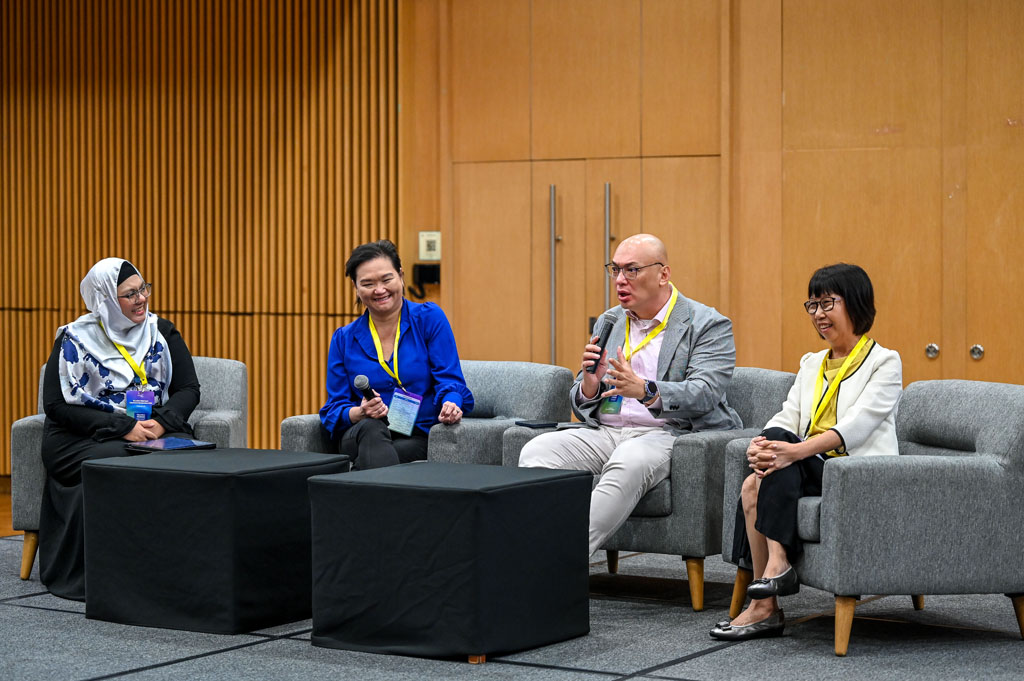
Closing Panel Discussion – “One Case, Three Minds”
Not every wound care challenge stems from a lack of knowledge—sometimes it arises from the decisions we make in practice.
Using a complex real-world wound case, three experts will analyse the same case through their unique clinical lenses, highlighting interventions that are commonly overused, underused, or misused in wound management.
Step into the “Wound Court”, an interactive workshop where wound cases are examined through a courtroom-style debate.
Participants will review case facts, hear differing clinical perspectives, evaluate evidence through cross-examination, and vote at key decision points. This engaging session encourages critical thinking, discussion, and reflection on clinical reasoning and wound care decision-making.
Caregiving is like an unexpected, even unwelcome, guest that arrives unannounced. It is a role that often chooses us, not the other way around. When caregiving seems thrust upon us, we can embrace it and unlock the graces hidden in caregiving, or resist it and miss the opportunity to truly love and be loved.
Caregiving presents us with a choice – hope or despair. This workshop helps ground you in caregiving as a journey of hope that can take you to the heart of what it means to love.
The workshop provides you with practical tips to better love and care for yourself in order to better love and care for another. Learn the importance of setting boundaries, managing expectations, establishing strong support systems and intentionally giving yourself respite. The workshop also introduces spiritual disciplines that help you to stay grounded and held by a Higher Love so that you feel more blessed than burdened.
Come and discover a spirituality of caregiving, and find strength and sustenance for your caregiving journey.
This workshop will focus on the powerful role of music in dementia care, especially in nurturing faith, hope, and love. Music can evoke deep emotional responses and can often reach individuals in ways that words cannot.
We will explore how music, whether through hymns, spiritual songs, or personal favourites, can help individuals reconnect with their faith, find comfort, and experience moments of joy. Practical examples and tips for using music in spiritual caregiving will be shared to help participants incorporate this powerful tool into their ministry.
This interactive workshop introduces participants to a patented cognitive training tool designed to support information processing, attention, and reaction skills through progressive, hands-on activities. Using engaging “fast eyes, quick hands” exercises, participants will experience how structured cognitive stimulation can be meaningfully integrated into dementia care practice.
Beyond cognitive engagement, the session emphasises the importance of restoring confidence, resilience, and a sense of self-efficacy among older adults. Through fun, highly interactive gameplay and facilitated participation, learners will discover how simple yet purposeful activities can create moments of achievement, connection, and encouragement in the dementia journey.
This experiential workshop explores how cognitive stimulation, movement, and spiritual care can be meaningfully integrated through simple, interactive play.
Grounded in a life-faith approach, the session demonstrates how cognitive activities can move beyond addressing “functional deficits” towards fostering deeper spiritual connection, personhood, and meaningful communication with persons living with dementia.