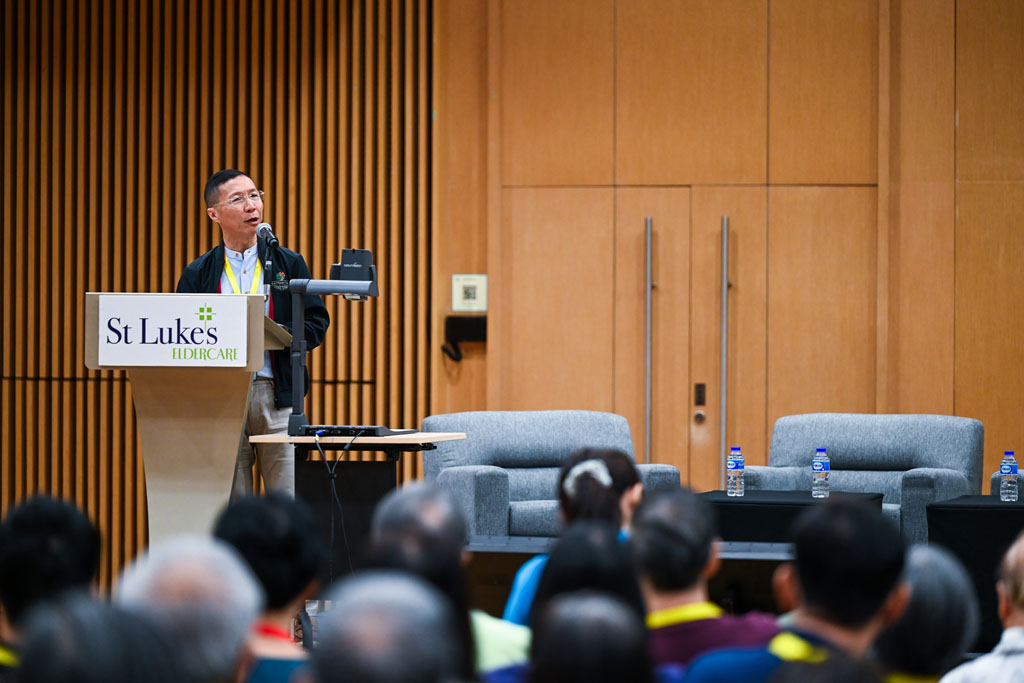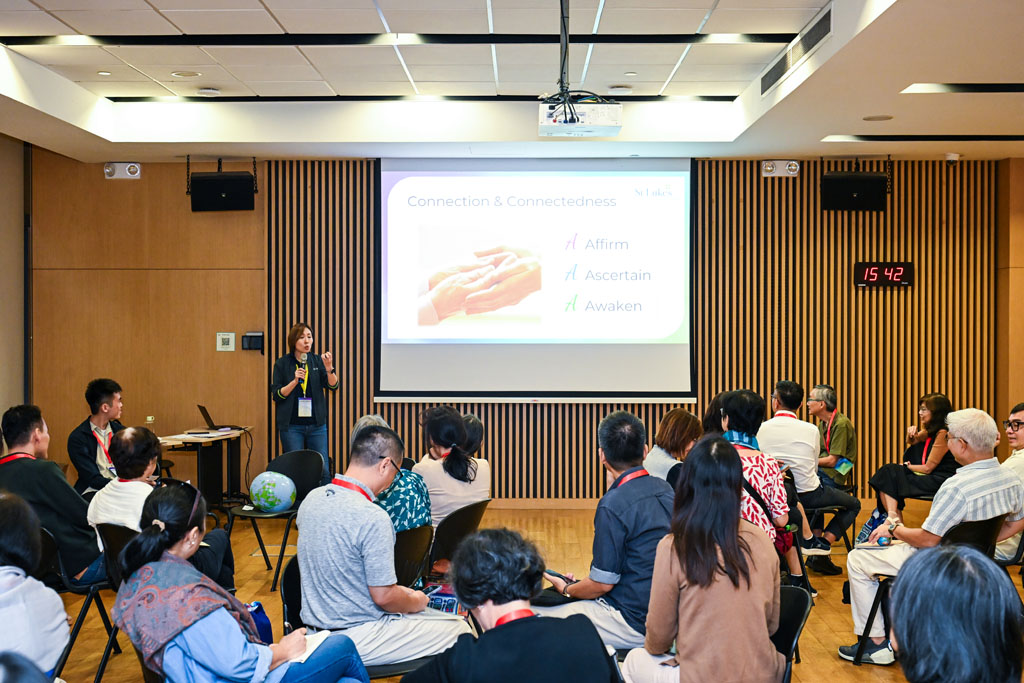

The experience of dementia often brings up many different spiritual challenges for people living with dementia, their caregivers, their families, and their communities. In particular, there is the perception that dementia ‘robs’ people living with dementia of their personhood. In this session, we will explore and challenge the assumptions underlying such a perception from the perspective of the Christian tradition, and explore how faith communities may help to address such a spiritual challenge.
There is growing evidence from recent studies that optimal control of chronic illnesses, an active and more social lifestyle, and a healthy and balanced diet are instrumental to brain health not only from a prevention standpoint but also help to ameliorate decline in people with dementia. At the same time, advances in behavioural neuroscience have improved our understanding of higher cortical brain functions in shaping social behaviour.
We now better appreciate that humans are in fact hard-wired to be social and relational. As such, human relations and connections are germane to maintaining wellness and wholeness in persons living with dementia (PLWDs), whose integrity and continuity as persons become increasingly dependent on those around them as the illness progresses. This is where a familial and communal approach is fundamental to helping PLWDs continue to live as valuable members of the society. Together, we live as one people under the aegis of our Creator who is Himself a loving communion.
Dementia is a “disease of relationships.” It is not merely a medical issue.
Cognitive impairment changes the relationships that people living with dementia have with themselves and with their significant others. In fact, even before dementia is formally diagnosed, family relationships are often already deeply affected.
Therefore, spiritual care for families living with dementia must address the distinct needs of people living with dementia, primary caregivers, and other family members. It should become an indispensable part of a care model that embraces the whole family, every stage of life, and the whole person.
At the same time, changes in relationships can also become an opportunity for families to rebuild their connections. Through the Five Pathways of Life, relationships can be rebuilt, repaired, and even newly created.
Caregiving is like an unexpected, even unwelcome, guest that arrives unannounced. It is a role that often chooses us, not the other way around. When caregiving seems thrust upon us, we can embrace it and unlock the graces hidden in caregiving, or resist it and miss the opportunity to truly love and be loved.
Caregiving presents us with a choice – hope or despair. This workshop helps ground you in caregiving as a journey of hope that can take you to the heart of what it means to love. The workshop provides you with practical tips to better love and care for yourself in order to better love and care for another. Learn the importance of setting boundaries, managing expectations, establishing strong support systems and intentionally giving yourself respite. The workshop also introduces spiritual disciplines that help you to stay grounded and held by a Higher Love so that you feel more blessed than burdened.
Come and discover a spirituality of caregiving, and find strength and sustenance for your caregiving journey.
This interactive workshop introduces participants to a patented cognitive training tool designed to support information processing, attention, and reaction skills through progressive, hands-on activities. Using engaging “fast eyes, quick hands” exercises, participants will experience how structured cognitive stimulation can be meaningfully integrated into dementia care practice.
Beyond cognitive engagement, the session emphasises the importance of restoring confidence, resilience, and a sense of self-efficacy among older adults. Through fun, highly interactive gameplay and facilitated participation, learners will discover how simple yet purposeful activities can create moments of achievement, connection, and encouragement in the dementia journey.
This experiential workshop explores how cognitive stimulation, movement, and spiritual care can be meaningfully integrated through simple, interactive play. Grounded in a life-faith approach, the session demonstrates how cognitive activities can move beyond addressing “functional deficits” towards fostering deeper spiritual connection, personhood, and meaningful communication with persons living with dementia.
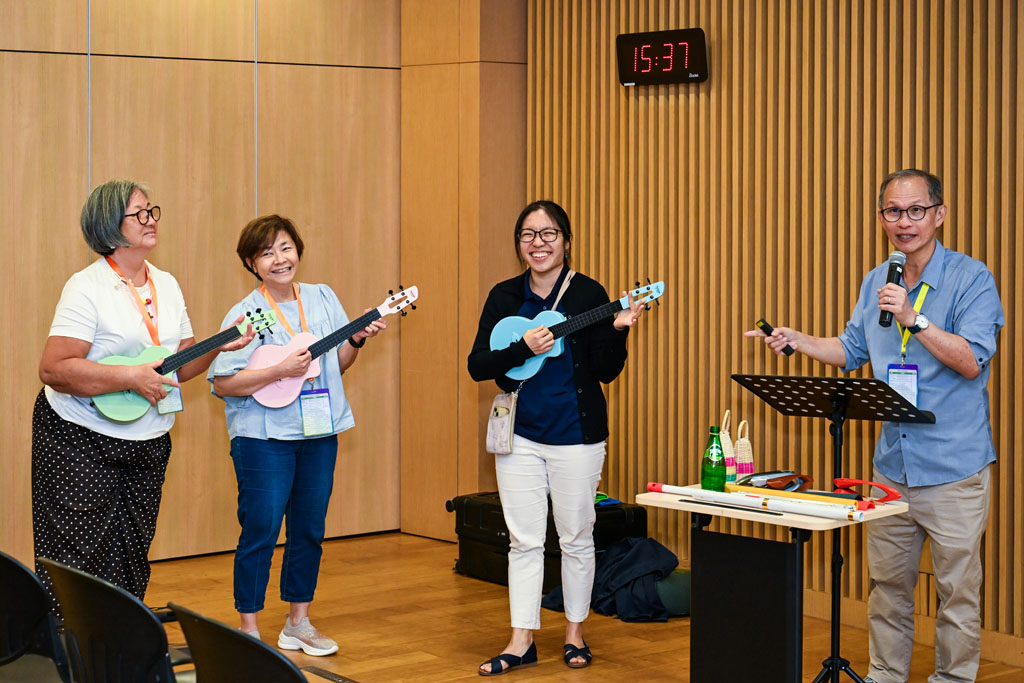
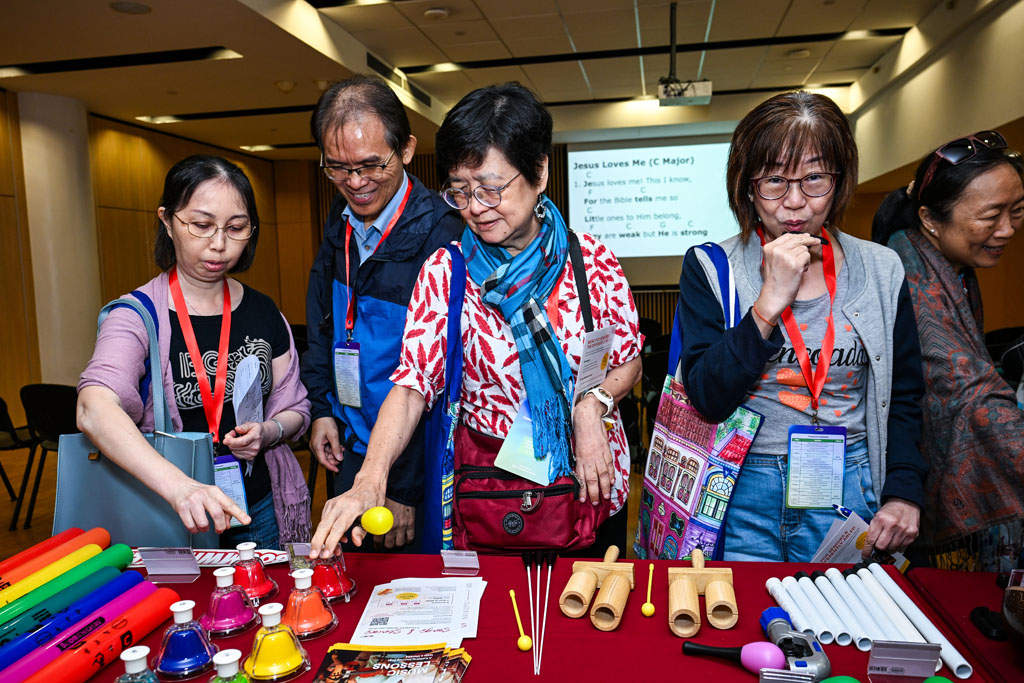
This workshop will focus on the powerful role of music in dementia care, especially in nurturing faith, hope, and love. Music can evoke deep emotional responses and can often reach individuals in ways that words cannot. We will explore how music, whether through hymns, spiritual songs, or personal favourites, can help individuals reconnect with their faith, find comfort, and experience moments of joy. Practical examples and tips for using music in spiritual caregiving will be shared to help participants incorporate this powerful tool into their ministry.
Mr Anthony Siow
Dr Calvin Chong
Mr Lin Chih-Lun
Mr Cheng Hih-Hung


Assistant Professor,
Singapore Bible College
Founder of the Koinonia Inclusion Network

Senior Consultant
Department of Geriatric Medicine
Khoo Teck Puat Hospital

President
Taiwan Alzheimer’s Disease Association

Centre Manager & Spiritual Director
Centre for Spiritual Formation
Biblical Graduate School of Theology

Professor, Practical Theology
School of Theology (English)
Singapore Bible College

Chairman
Healthy Games Development Association
Taiwan

Master Trainer
Healthy Games Development Association
Taiwan

For more information, please contact us at:
secretariat.commcare@slec.org.sg
The experience of dementia often brings up many different spiritual challenges for people living with dementia, their caregivers, their families, and their communities.
In particular, there is the perception that dementia ‘robs’ people living with dementia of their personhood.
In this session, we will explore and challenge the assumptions underlying such a perception from the perspective of the Christian tradition, and explore how faith communities may help to address such a spiritual challenge.
There is growing evidence from recent studies that optimal control of chronic illnesses, an active and more social lifestyle, and a healthy and balanced diet are instrumental to brain health not only from a prevention standpoint but also help to ameliorate decline in people with dementia.
At the same time, advances in behavioural neuroscience have improved our understanding of higher cortical brain functions in shaping social behaviour.
We now better appreciate that humans are in fact hard-wired to be social and relational.
As such, human relations and connections are germane to maintaining wellness and wholeness in persons living with dementia (PLWDs), whose integrity and continuity as persons become increasingly dependent on those around them as the illness progresses. This is where a familial and communal approach is fundamental to helping PLWDs continue to live as valuable members of the society. Together, we live as one people under the aegis of our Creator who is Himself a loving communion.
Dementia is a “disease of relationships.” It is not merely a medical issue.
Cognitive impairment changes the relationships that people living with dementia have with themselves and with their significant others. In fact, even before dementia is formally diagnosed, family relationships are often already deeply affected.
Therefore, spiritual care for families living with dementia must address the distinct needs of people living with dementia, primary caregivers, and other family members. It should become an indispensable part of a care model that embraces the whole family, every stage of life, and the whole person.
At the same time, changes in relationships can also become an opportunity for families to rebuild their connections. Through the Five Pathways of Life, relationships can be rebuilt, repaired, and even newly created.
Caregiving is like an unexpected, even unwelcome, guest that arrives unannounced. It is a role that often chooses us, not the other way around. When caregiving seems thrust upon us, we can embrace it and unlock the graces hidden in caregiving, or resist it and miss the opportunity to truly love and be loved.
Caregiving presents us with a choice – hope or despair. This workshop helps ground you in caregiving as a journey of hope that can take you to the heart of what it means to love.
The workshop provides you with practical tips to better love and care for yourself in order to better love and care for another. Learn the importance of setting boundaries, managing expectations, establishing strong support systems and intentionally giving yourself respite. The workshop also introduces spiritual disciplines that help you to stay grounded and held by a Higher Love so that you feel more blessed than burdened.
Come and discover a spirituality of caregiving, and find strength and sustenance for your caregiving journey.
This workshop will focus on the powerful role of music in dementia care, especially in nurturing faith, hope, and love. Music can evoke deep emotional responses and can often reach individuals in ways that words cannot.
We will explore how music, whether through hymns, spiritual songs, or personal favourites, can help individuals reconnect with their faith, find comfort, and experience moments of joy. Practical examples and tips for using music in spiritual caregiving will be shared to help participants incorporate this powerful tool into their ministry.
This interactive workshop introduces participants to a patented cognitive training tool designed to support information processing, attention, and reaction skills through progressive, hands-on activities. Using engaging “fast eyes, quick hands” exercises, participants will experience how structured cognitive stimulation can be meaningfully integrated into dementia care practice.
Beyond cognitive engagement, the session emphasises the importance of restoring confidence, resilience, and a sense of self-efficacy among older adults. Through fun, highly interactive gameplay and facilitated participation, learners will discover how simple yet purposeful activities can create moments of achievement, connection, and encouragement in the dementia journey.
This experiential workshop explores how cognitive stimulation, movement, and spiritual care can be meaningfully integrated through simple, interactive play.
Grounded in a life-faith approach, the session demonstrates how cognitive activities can move beyond addressing “functional deficits” towards fostering deeper spiritual connection, personhood, and meaningful communication with persons living with dementia.